Party etiquette for hosts is more than just throwing a gathering; it’s about crafting a memorable experience for your guests. From meticulous planning and thoughtful invitations to creating the perfect ambiance and ensuring seamless service, hosting a successful party requires attention to detail and a genuine desire to make your guests feel welcome and appreciated. This guide delves into every aspect of hosting, providing practical tips and advice to help you transform your next event into a truly special occasion.
We’ll explore everything from initial planning stages, including budgeting and guest list management, to the finer points of setting the mood, selecting appropriate food and beverages, and fostering engaging conversations. We’ll also cover post-party etiquette, ensuring a graceful conclusion to your event. Whether you’re planning an intimate dinner party or a large-scale celebration, this comprehensive guide will equip you with the knowledge and confidence to become a truly exceptional host.
Setting the Ambiance
Creating the perfect atmosphere for your party is crucial for ensuring your guests feel welcome and enjoy themselves. The ambiance you cultivate will significantly impact the overall mood and success of your event. Careful consideration of décor, lighting, and music will transform your space into a vibrant and engaging environment.
Décor and Table Settings
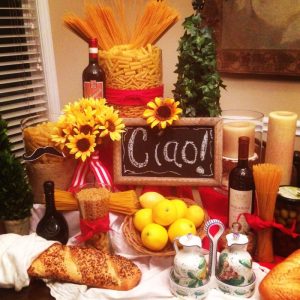
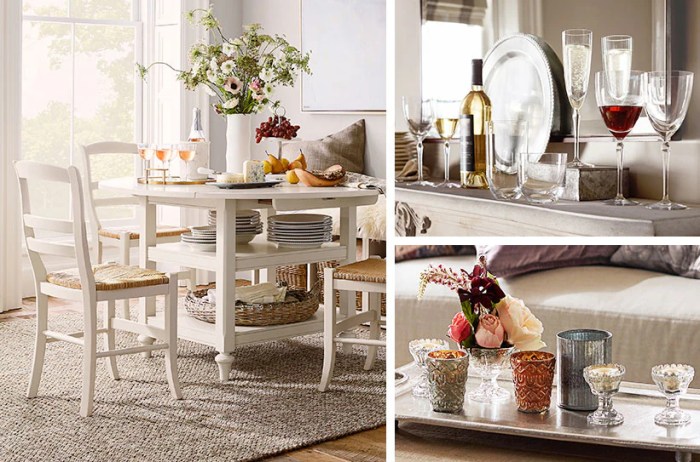
The visual elements of your party play a vital role in setting the tone. Consider the overall theme and style of your party when choosing decorations. For a casual gathering, simple yet elegant decorations, such as fresh flowers in vases or strategically placed candles, can create a warm and inviting atmosphere. More formal events might benefit from more elaborate centerpieces and table settings.For a romantic dinner party, a centerpiece featuring a low arrangement of roses and candles in elegant holders, complemented by crisp white linens and silver cutlery, would create a sophisticated atmosphere.
A vibrant birthday party could utilize brightly colored balloons, streamers, and a centerpiece featuring a tiered cake surrounded by colorful candies and flowers. A rustic-themed gathering might incorporate natural elements like wood, burlap, and wildflowers, creating a charming and relaxed environment. Table settings should complement the overall theme and should be functional and aesthetically pleasing.
Background Music Selection
Music is a powerful tool for shaping the mood of your party. The genre and tempo of your music will directly influence the energy levels and interactions among your guests. Upbeat, lively music is suitable for encouraging dancing and socializing at a lively party. For a more relaxed gathering, softer background music, such as jazz or acoustic tunes, will promote conversation and create a calmer atmosphere.
Consider creating different playlists for different parts of the evening; for example, a high-energy playlist for the early part of the evening, transitioning to a more relaxed playlist as the evening progresses. Avoid music that is too loud or jarring, which can make conversation difficult.
Lighting Effects
Lighting significantly impacts the ambiance of your party. Soft, warm lighting, such as candlelight or lamps with warm-toned bulbs, creates a relaxed and intimate atmosphere. Brighter, more intense lighting is suitable for more energetic gatherings. Consider using a combination of lighting sources to create layers of light and shadow, adding depth and visual interest to the space.
For example, using string lights or fairy lights to illuminate walls or ceilings can create a magical ambiance, while strategically placed spotlights can highlight specific areas or decorations. Dimming the main lights and using accent lighting can create a more sophisticated and intimate atmosphere.
Food & Beverage Service: Party Etiquette For Hosts
Planning the food and beverage service for your party is crucial for a successful event. The style you choose will significantly impact the overall atmosphere and your guests’ experience. Consider factors like the formality of the event, your budget, and the number of guests when making your decision.
Food and Beverage Service Styles
Different service styles offer unique advantages. A buffet allows guests to serve themselves, promoting interaction and informality. Plated meals provide a more formal and controlled dining experience, ensuring everyone receives the same meal. Cocktail-style events, characterized by smaller, bite-sized foods and circulating drinks, are ideal for larger gatherings or more relaxed settings. Each style requires different levels of preparation and staffing.
Buffets require careful food arrangement and replenishment, while plated meals necessitate precise timing and service coordination. Cocktail-style events often require more circulating servers to manage drinks and food distribution efficiently.
Appetizer Recipes
The success of any party often hinges on the appetizers. Here are three appetizer recipes suitable for a variety of palates:
| Ingredient | Quantity | Instructions |
|---|---|---|
| Cream Cheese | 8 oz | Soften cream cheese. |
| Smoked Salmon | 4 oz | Finely chop. |
| Capers | 1 tbsp | Finely chop. |
| Dill | 1 tbsp, chopped | Mix all ingredients thoroughly. |
| Crackers | As needed | Serve with crackers. |
Smoked Salmon Cream Cheese Bites: This classic combination is always a crowd-pleaser.
| Ingredient | Quantity | Instructions |
|---|---|---|
| Miniature phyllo cups | 24 | Preheat oven to 350°F (175°C). |
| Goat cheese | 4 oz | Soften goat cheese. |
| Sun-dried tomatoes | 1/4 cup, chopped | Mix goat cheese and sun-dried tomatoes. |
| Basil | 1 tbsp, chopped | Add basil. |
| Olive oil | 1 tsp | Mix well and fill phyllo cups. |
| Balsamic glaze | Optional | Bake for 10-12 minutes or until heated through. Drizzle with balsamic glaze before serving. |
Goat Cheese and Sun-dried Tomato Phyllo Cups: These elegant appetizers offer a sophisticated flavor profile.
| Ingredient | Quantity | Instructions |
|---|---|---|
| Ground beef | 1 lb | Brown ground beef in a pan. |
| Taco seasoning | 1 packet | Add taco seasoning and mix well. |
| Mini tortillas | 24 | Spoon the beef mixture into the tortillas. |
| Shredded cheese | 1 cup | Top with shredded cheese. |
| Toppings (lettuce, tomato, salsa) | As needed | Serve immediately with your favorite toppings. |
Mini Tacos: A fun and customizable option that caters to a wide range of preferences.
Calculating Food and Beverage Needs
Accurately estimating food and drink quantities is essential to avoid shortages or excessive waste. A general guideline is to plan for approximately 1-1.5 pounds of food per adult guest for a sit-down meal, and less for a buffet or cocktail-style event. For drinks, anticipate 2-3 drinks per person per hour, adjusting based on the type of drinks offered and the expected length of the party.
For example, a 50-person party lasting 4 hours might require 400-600 drinks. Always account for unexpected guests and heavier drinkers.
Sample Drinks Menu
Offering a diverse drinks menu caters to a wider range of tastes. Consider including:
- Alcoholic Beverages: Wine (red, white, rosé), beer (various styles), cocktails (e.g., margaritas, mojitos, old fashioneds), spirits (e.g., vodka, whiskey, gin) with mixers.
- Non-alcoholic Beverages: Soft drinks (cola, ginger ale, juice), sparkling water, iced tea, lemonade.
- Signature Cocktail: Creating a unique signature cocktail adds a personal touch to the event.
Remember to clearly label all beverages, indicating alcoholic content.
Conversation & Entertainment
A successful party hinges not only on delectable food and a pleasing atmosphere but also on lively conversation and engaging activities that foster a sense of camaraderie among your guests. The host plays a crucial role in orchestrating these elements, ensuring everyone feels welcome and entertained. This section will explore strategies for stimulating conversation, selecting appropriate games and activities, and managing social dynamics to create a memorable and enjoyable experience for all.
Stimulating Conversation and Inclusivity
Creating a vibrant atmosphere where conversations flow naturally requires careful planning and subtle guidance from the host. It’s important to consider the diverse backgrounds and interests of your guests. Instead of relying solely on chance encounters, proactively facilitate interactions by strategically seating guests or initiating conversations around shared interests. For example, introducing a guest passionate about gardening to another who enjoys cooking can spark an engaging exchange.
Subtly introducing conversation starters related to current events, travel, or hobbies can also encourage lively discussions, while avoiding controversial topics that might polarize the group. The key is to create an environment where guests feel comfortable sharing their thoughts and experiences, without feeling pressured to participate.
Engaging Party Games and Activities
The selection of games and activities should align with the age range and interests of your guests. For a mixed-age group, consider offering a variety of options. Classic party games like charades or Pictionary are always popular and easily adaptable to different age groups. For a younger crowd, energetic games like musical chairs or scavenger hunts might be more appropriate.
For adults, board games, card games, or even a themed trivia night can provide stimulating entertainment. Remember to offer a mix of active and passive activities to cater to varying preferences. A well-planned playlist of background music can also contribute significantly to the overall mood and encourage interaction.
Facilitating Social Interaction and Conflict Resolution
The host’s role extends beyond simply providing food and drinks; they are also the social director, subtly guiding interactions and ensuring everyone feels included. This involves observing the dynamics of the group and stepping in to initiate conversations or redirect interactions if necessary. For example, if a conversation is monopolized by one or two individuals, the host might politely steer the conversation to include others.
In the event of a minor conflict, the host can subtly de-escalate the situation by changing the subject or diverting attention to another activity. Maintaining a calm and diplomatic approach is crucial in such situations. The aim is to foster a positive and inclusive environment where everyone feels respected and comfortable.
Interactive Party Elements, Party etiquette for hosts
Incorporating interactive elements can significantly enhance guest participation and create a memorable experience. A photo booth with props allows guests to create lasting memories and engage in playful interactions. A collaborative activity, such as a group painting project or a collaborative playlist creation, encourages teamwork and shared creativity. Interactive games, like a giant Jenga set or a personalized crossword puzzle featuring inside jokes related to the guests, can provide a unique and memorable touch.
These interactive elements not only add entertainment value but also contribute to a more engaging and inclusive party atmosphere.
Post-Party Etiquette
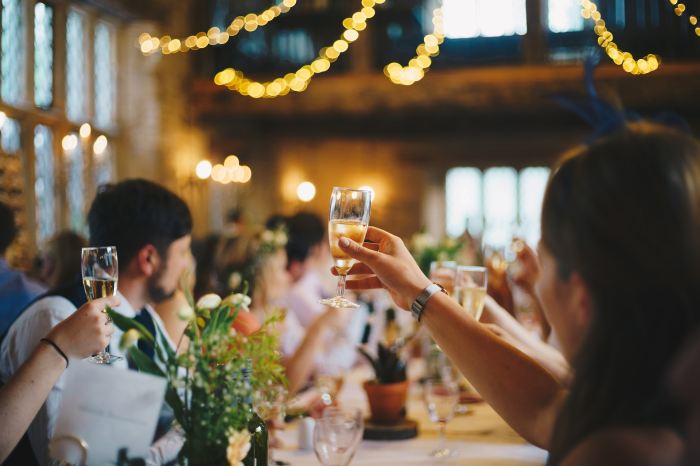
The final touches of a successful party extend beyond the last guest’s departure. Proper post-party etiquette ensures a positive lasting impression and minimizes any potential inconvenience for both the host and their guests. It’s about demonstrating thoughtful consideration and leaving things better than you found them.Post-party tasks fall broadly into two categories: restoring the party space and expressing gratitude to your guests.
Efficient and timely completion of these tasks reflects well on the host’s overall hospitality.
Cleaning and Tidying the Party Area
Cleaning up after a party involves a systematic approach to ensure thoroughness and efficiency. Begin by removing any obvious trash and debris, focusing on high-traffic areas. Then, move onto washing dishes and cleaning countertops. A quick sweep or vacuum of the floors follows, removing any crumbs or spills. Finally, restock any items that were used, such as napkins or condiments, and return furniture to its original positions.
Remember to dispose of recyclables properly and to air out the space to remove lingering odors. The goal is to leave the party area as close to its pre-party state as possible.
Sending Thank-You Notes or Messages
Expressing gratitude to your guests is an essential element of post-party etiquette. A simple thank-you note or message goes a long way in showing appreciation for their time and presence. These messages strengthen relationships and foster a sense of goodwill. The promptness of these messages also contributes to the overall positive impression of the event.
Examples of Thank-You Messages
Here are a few examples of appreciative messages you could send:
“Thank you so much for coming to my party last night! It was wonderful to see you, and I really enjoyed catching up. I hope you had a great time.”
“I wanted to express my sincere gratitude for attending my party. Your presence made the evening so much more special. I hope you enjoyed the food and company.”
“Thank you for celebrating with me last night! It meant so much to have you there. I’m already looking forward to our next get-together.”
These examples demonstrate a balance of formality and warmth, appropriate for a variety of relationships. Personalizing the message with a specific detail about the guest’s presence or conversation further enhances the impact.
Managing Feedback and Addressing Concerns
While most parties are successful, occasionally a guest may express a concern or complaint. It’s important to address this feedback gracefully and professionally. Listen attentively to their feedback without becoming defensive. Acknowledge their perspective and apologize if necessary, focusing on how you can improve in the future. Even if you disagree with the criticism, a polite response demonstrates respect and maturity.
If the feedback involves a serious issue, such as an accident or injury, handle it with utmost care and follow appropriate procedures. Remember, constructive criticism can be invaluable for future events.
ENTERTAINING
Hosting a successful party involves more than just providing food and drinks; it’s about creating a memorable experience for your guests. The art of hosting lies in understanding different styles, adapting to your guests’ needs, and executing thoughtful details that elevate the entire event. This section will explore various hosting styles, essential host characteristics, and techniques for creating a truly enjoyable gathering.
Hosting Styles: A Comparison
Different hosting styles cater to different preferences and occasions. A formal dinner party demands meticulous planning and a refined atmosphere, while a casual get-together prioritizes relaxed interaction and comfort. The strengths and weaknesses of each approach influence the overall success of the event. For instance, a formal style, while impressive, can feel stiff or restrictive for some guests.
Conversely, an overly casual approach might lack the structure and elegance desired for certain events. Choosing the right style hinges on understanding your guests and the purpose of the gathering.
Characteristics of a Successful Host
A successful host possesses a blend of hospitality, communication, and organizational skills. Hospitality manifests as genuine warmth and a welcoming demeanor, ensuring guests feel comfortable and valued. Effective communication involves clear and timely invitations, addressing any dietary restrictions or allergies, and proactively managing the flow of the event. Organization encompasses meticulous planning, from guest list management and menu selection to timeline coordination and post-party cleanup.
These skills combine to create a seamless and enjoyable experience for everyone involved.
Creating a Memorable Guest Experience
Thoughtful planning and execution are crucial for creating a memorable event. This includes considering the guest list carefully, choosing a theme or ambiance that resonates with the attendees, and crafting a menu that caters to diverse tastes and dietary needs. Providing ample opportunities for conversation and interaction, whether through planned activities or simply creating a conducive environment, is equally important.
Anticipating potential challenges and having contingency plans in place demonstrates preparedness and ensures a smooth flow throughout the event. Small gestures, such as personalized place cards or thoughtful favors, can add a special touch that elevates the experience beyond the ordinary.
Formal Dinner Party Table Setting
Imagine a rectangular table draped with a crisp white linen tablecloth. Each place setting features a charger plate, topped with a dinner plate, salad plate, and bread plate positioned to the left. To the right of the dinner plate, a soup spoon is placed, followed by a dinner fork and salad fork. On the left, a butter knife rests on the bread plate, angled towards the plate.
Above the dinner plate, a wine glass is placed, with a water goblet to its left. A smaller champagne flute rests to the right of the wine glass. Elegant silverware is polished to a high sheen. Place cards, written in elegant calligraphy, are positioned at each place setting. A centerpiece, perhaps a low arrangement of seasonal flowers or candles, adds a touch of sophistication without obstructing conversation.
The overall effect is one of refined elegance and understated luxury, setting the stage for a memorable evening.
Mastering party etiquette for hosts is a journey, not a destination. By thoughtfully considering each element—from initial planning to post-party thank-yous—you can create an atmosphere of warmth, enjoyment, and lasting positive memories for both yourself and your guests. Remember, the key is to be organized, attentive, and genuinely focused on making your guests feel comfortable and appreciated. With careful planning and a genuine desire to share hospitality, your parties will be remembered for their exceptional warmth and charm.
FAQs
What’s the best way to handle a guest with a last-minute dietary restriction?
Politely ask about the restriction and do your best to accommodate. If a suitable alternative isn’t readily available, offer a simple, universally-safe option.
How do I politely encourage mingling among guests who aren’t interacting?
Subtly introduce guests with shared interests, initiate a group conversation, or plan activities that encourage interaction.
What if a guest brings an uninvited plus-one?
Remain gracious but discreetly address the situation. If possible, accommodate the extra guest. If not, politely explain the limitations due to pre-arranged seating or catering.
How long should I wait to send thank-you notes after a party?
Aim to send thank-you notes within a week of the event to show your appreciation while the memory is still fresh.