How to entertain at home successfully hinges on thoughtful planning and execution. Transforming your home into a welcoming and engaging space requires attention to detail, from crafting a captivating atmosphere to selecting activities that resonate with your guests. This guide provides a comprehensive approach, covering everything from budgeting and guest list management to creating memorable menus and choosing the perfect playlist.
Whether you’re hosting a casual gathering or a formal dinner party, we’ll equip you with the tools and inspiration to create an unforgettable experience for everyone.
We’ll explore diverse entertainment options, including engaging games suitable for all ages, creative DIY craft projects, and conversation starters to encourage lively interactions. We’ll also delve into the art of setting the perfect ambiance, from lighting and décor to table settings and food presentation. Finally, we’ll cover post-event essentials, ensuring a smooth cleanup and opportunities to gather feedback for future events.
Choosing Entertainment Activities
Hosting a successful gathering requires careful consideration of activities that cater to a diverse group. Choosing the right mix of games, crafts, and conversation starters ensures everyone feels included and engaged, creating a memorable and enjoyable experience for all ages. The key is to select options that encourage interaction and foster a sense of shared fun.
Games for Mixed-Age Groups
Selecting appropriate games for a mixed-age group requires careful consideration of skill levels and attention spans. The following games offer a blend of challenge and fun suitable for both adults and children.
- Charades or Pictionary: These classic games require minimal materials and encourage creative expression. Adapt the difficulty of the words or images to suit the younger participants.
- Scavenger Hunt: Design a scavenger hunt with clues tailored to your home and surroundings. Include riddles and puzzles to increase the challenge and engagement for older participants.
- Building Challenges: Using blocks, LEGOs, or even household items, challenge teams to build the tallest tower, the most creative structure, or a specific design. This encourages collaboration and problem-solving.
- Storytelling Chain: One person starts a story with a sentence, and each person adds a sentence to continue the narrative. This fosters creativity and collaborative storytelling.
- Minute to Win It Games: Set up a series of quick, silly challenges that can be completed in under a minute. Examples include stacking cups, moving cookies from forehead to mouth, or transferring candies from one bowl to another using chopsticks. These are fun for all ages and skill levels.
DIY Craft Projects
Engaging in creative activities together is a wonderful way to bond and create lasting memories. The following projects offer varying levels of complexity and require readily available materials.
- Friendship Bracelet Making: This simple craft is perfect for all ages. Use embroidery floss in various colors and teach basic knotting techniques. The finished bracelets serve as a fun keepsake of the evening.
- Painted Flower Pots: Decorate plain terracotta pots with acrylic paints, markers, or even decoupage. Let guests personalize their pots and then plant small succulents or herbs for a lasting memento.
- Homemade Playdough: Making playdough together is a fun, sensory experience. The simple recipe (flour, salt, water, oil, and food coloring) allows for customization and creative exploration. This is particularly engaging for younger children.
Conversation Starters
Encouraging meaningful conversation among your guests helps create a warm and welcoming atmosphere. These conversation starters can spark engaging discussions and help guests connect with one another.
- What’s your favorite childhood memory?
- If you could travel anywhere in the world, where would you go and why?
- What’s one skill you’d love to learn?
- What’s your favorite book, movie, or TV show and why?
- What’s the most interesting fact you know?
- What’s your favorite way to relax?
- What’s your favorite family tradition?
- What’s something you’re passionate about?
- What’s your favorite food and why?
- What’s one thing you’re grateful for today?
Creating a Relaxed Evening Playlist
Music sets the mood for any gathering. A well-curated playlist can significantly enhance the atmosphere and encourage relaxation.Creating a playlist for a relaxed evening involves selecting music with a calm and mellow tempo. Consider genres such as acoustic, jazz, soft rock, or classical music. Avoid songs with overly aggressive lyrics or fast tempos. A good mix of familiar and unfamiliar songs can also keep the atmosphere interesting.
Think about incorporating instrumental pieces to create moments of peaceful contemplation. A sample playlist might include a selection of artists like Norah Jones, Miles Davis, Jack Johnson, or Beethoven. The goal is to create a background soundscape that complements the overall ambiance without being overly distracting.
Setting the Ambiance: How To Entertain At Home

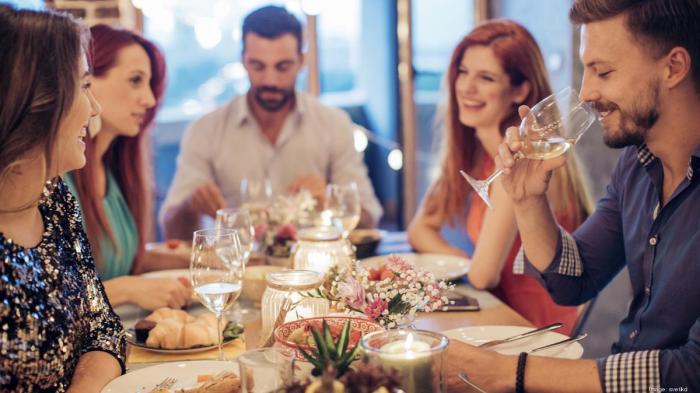
Creating the right atmosphere is crucial for a successful home entertainment experience. The ambiance you cultivate significantly impacts the mood and enjoyment of your guests. By thoughtfully considering lighting, décor, and food presentation, you can transform your home into a welcoming and engaging space tailored to your chosen activity.
Lighting Schemes for Different Gatherings
Lighting plays a pivotal role in setting the mood. Different lighting schemes can dramatically alter the feel of a room, making it ideal for various occasions.
- Romantic Dinner: Dim, warm lighting is key. Think candlelight, strategically placed lamps with warm-toned bulbs (think amber or soft yellow), and perhaps some fairy lights for a touch of magic. Avoid harsh overhead lighting. The goal is to create a soft, intimate glow.
- Casual Game Night: Brighter, more functional lighting is appropriate here. A combination of overhead lighting and table lamps can provide sufficient illumination for gameplay while still maintaining a relaxed atmosphere. Consider using adjustable lamps to control brightness levels.
- Lively Cocktail Party: A balance of ambient and task lighting works well. Ambient lighting can be achieved with uplighting or strategically placed spotlights to highlight architectural features or artwork. Task lighting, such as spotlights on the bar area or buffet table, ensures guests can easily see and serve themselves.
Decorating for a Specific Theme: Tropical Luau
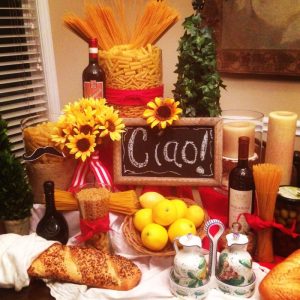
Transforming your space into a themed environment enhances immersion and adds to the overall experience. For a tropical luau, consider these elements:A vibrant color palette of bright blues, greens, yellows, and oranges is essential. Think hibiscus flowers, lush tropical foliage (real or artificial), and tiki torches (if permitted and safe to use). You could use leis as decorations, hang paper lanterns, and play Hawaiian music to complete the atmosphere.
Bamboo placemats and coconut bowls can further enhance the theme.
Visually Appealing Food and Drink Presentation
Food presentation is as important as the food itself. A visually appealing spread enhances the dining experience and adds to the overall ambiance.
- Garnishes: Fresh herbs, edible flowers, and fruit slices can elevate the look of any dish. A simple sprig of rosemary on a grilled steak or a few berries on a dessert can make a significant difference.
- Servingware: Choose serving dishes and platters that complement the food and the overall theme. Consider using varied heights and textures to create visual interest. A mix of rustic wooden boards and elegant ceramic dishes can add depth to your presentation.
- Plating: Even simple dishes can look elegant with careful plating. Consider using a color scheme that complements the food. Think about the arrangement of food items on the plate to create visual balance and appeal.
Formal Dinner Party Table Setting
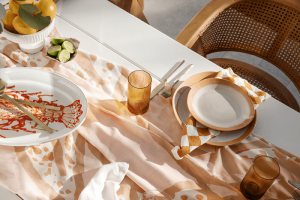
A well-set table adds a touch of elegance and sophistication to a formal dinner party. Proper cutlery placement and napkin folding techniques demonstrate attention to detail and create a welcoming atmosphere.
| Item | Placement | Notes |
|---|---|---|
| Dinner Plate | Center | The foundation of the setting. |
| Salad Fork | Left of dinner plate | Used for salad, placed outermost. |
| Dinner Fork | Left of salad fork | Used for the main course. |
| Dinner Knife | Right of dinner plate | Blade facing the plate. |
| Soup Spoon | Right of dinner knife | If soup is served. |
| Teaspoon | Right of soup spoon | For dessert or tea. |
| Water Glass | Above the dinner knife | For water. |
| Wine Glass(es) | To the right of the water glass | For red and white wine, if served. |
| Napkin | Left of the forks, or on the dinner plate | Folded neatly. |
Food and Drinks for Home Entertainment
Hosting a successful gathering hinges on thoughtful planning, and a delicious spread is a crucial element. The right food and drinks can elevate the mood, encourage conversation, and leave your guests with lasting positive memories. Consider your guests’ preferences and dietary restrictions when curating your menu. Remember, the goal is to create a relaxed and enjoyable atmosphere where everyone feels comfortable and well-fed.
A Casual Get-Together Menu
A carefully planned menu can make all the difference. This menu balances ease of preparation with delicious flavors, suitable for a casual gathering of friends or family.
- Appetizers: Spinach and artichoke dip with toasted baguette slices, a vibrant guacamole with tortilla chips, and mini quiches (vegetarian and meat options).
- Main Courses: A flavorful grilled chicken salad with seasonal vegetables, a hearty pasta salad with Italian dressing, and for a heartier option, mini sliders with various toppings (beef, chicken, or veggie).
- Desserts: A selection of fresh fruit, brownies, and a simple lemon pound cake. Consider offering a variety of options to cater to different tastes.
Non-Alcoholic Beverages for a Summer Party
Refreshing non-alcoholic drinks are essential, especially during warmer months. These options cater to a range of tastes and preferences, ensuring everyone has something to enjoy.
- Infused Water: Cucumber and mint infused water provides a light and refreshing option.
- Homemade Lemonade: A classic summer beverage, easily customizable with different sweeteners or berries.
- Iced Tea: Brew a strong batch of your favorite tea and chill it for a refreshing drink. Consider offering both sweet and unsweetened versions.
- Sparkling Fruit Punch: Combine various fruit juices with sparkling water for a festive and bubbly drink.
- Virgin Mojitos: Muddle mint leaves, lime juice, and sugar, then top with club soda for a refreshing mocktail.
Simple Cocktail Recipes (Large Batch)
Offering a selection of cocktails can add a sophisticated touch to your gathering. These recipes are easy to scale up for a crowd and require minimal preparation.
- Sangria: Combine red wine, brandy, chopped fruit (oranges, apples, berries), and a splash of orange liqueur. Chill for at least 2 hours before serving. This can be easily doubled or tripled for larger groups.
- Margaritas: Blend tequila, lime juice, orange liqueur, and ice. Adjust the proportions to your preference. Prepare a large batch in a pitcher and keep chilled. Consider offering both on-the-rocks and frozen options.
- Moscow Mules: Combine vodka, ginger beer, and lime juice. Serve in copper mugs filled with ice for a classic presentation. This recipe scales up well, simply multiply the ingredients proportionally.
Creating a Visually Appealing Cheese and Charcuterie Board
A cheese and charcuterie board is a visually stunning and delicious addition to any gathering. Careful arrangement is key to creating a beautiful and appetizing display.Arrange a variety of cheeses (hard, soft, and aged) on a large platter or cutting board. Include cured meats like salami, prosciutto, and capicola. Add accompaniments such as crackers, nuts, olives, grapes, figs, and honey.
Consider using small bowls for dips like hummus or mustard. Vary the colors and textures of the items to create a visually appealing spread. Place the items strategically, creating visual interest and balance. Consider height variations using small bowls or stacking items to add dimension. Remember, the presentation should be as inviting as the flavors themselves.
Post-Event Considerations
Successfully hosting a home entertainment event extends beyond the final guest’s departure. Proper post-event management ensures a smooth experience for both you and your guests, paving the way for future gatherings. This involves efficient cleanup, gracious thank-you notes, and gathering feedback for improvement.
Cleaning Up After a Home Entertainment Event
A systematic approach to cleaning streamlines the process. Begin by clearing all surfaces – tables, counters, and floors – of dishes, glasses, and any other debris. Dispose of trash immediately. Next, load the dishwasher or wash dishes by hand, ensuring all items are thoroughly cleaned and dried. Wipe down all surfaces with an appropriate cleaner.
Finally, vacuum or sweep floors, paying attention to any spills or crumbs. For larger events, consider delegating tasks to family members or friends who are willing to help. Remember to empty all ashtrays and dispose of them properly if smoking was permitted.
Sending Thank-You Notes to Guests
Expressing gratitude to your guests is an important gesture of hospitality. Handwritten notes are always appreciated, conveying a more personal touch than a generic email or text. Keep the notes brief and heartfelt, mentioning a specific positive aspect of the interaction with each guest. For example, you could mention a delightful conversation or a shared laugh. Aim to send these notes within a week of the event to ensure they remain timely and meaningful.
Consider addressing each note to the guest’s name and including a specific memory or detail of their presence.
Gathering Feedback to Improve Future Home Entertainment Experiences
Soliciting feedback helps refine your hosting skills. A simple, informal approach works best. You could casually ask guests for their opinions during the event or send a short follow-up email or text message after the event. Ask open-ended questions such as: “What did you enjoy most about the event?”, or “Is there anything you would have liked to see differently?”.
Be receptive to both positive and constructive criticism. Analyze the responses to identify areas for improvement in future events, such as food choices, activity selection, or ambiance. Even negative feedback, when addressed constructively, can lead to significant improvements.
Storing Leftover Food and Drinks Safely
Proper food storage is crucial to prevent foodborne illnesses. Leftovers should be promptly refrigerated at a temperature below 40°F (4°C) within two hours of the event’s conclusion. Divide larger portions into smaller, shallow containers to facilitate quicker cooling. Clearly label containers with the contents and date. Perishable items like dairy products and meat should be consumed within a few days.
Drinks should also be stored appropriately. Carbonated drinks should be tightly sealed to maintain carbonation, while alcoholic beverages should be stored in a cool, dark place. Always follow proper food safety guidelines when handling and storing leftovers to prevent spoilage and maintain food safety.
ENTERTAINING
Successful home entertainment hinges on understanding your audience and adapting your approach accordingly. The atmosphere and activities should complement the size and personality of your guests, creating a memorable experience for everyone. A carefully curated selection of entertainment, coupled with thoughtful consideration for the ambiance, food, and drinks, ensures a successful event.
Intimate Gatherings versus Large Parties
Entertaining a small, intimate group allows for a more personalized and relaxed atmosphere. Conversations flow naturally, and guests can interact freely with each other and the host. Activities can be more low-key, focusing on shared experiences like board games, meaningful conversations, or a collaborative cooking project. In contrast, a large party demands a more structured approach. Activities need to be inclusive and engaging for a larger group, potentially requiring pre-planned entertainment like a DJ, live music, or organized games.
The focus shifts from intimate conversation to a more vibrant, social experience. Maintaining a lively atmosphere while ensuring everyone feels included requires careful planning and coordination. For example, a small gathering might enjoy a wine tasting and intimate conversation, while a larger party could benefit from a themed cocktail hour followed by dancing.
Entertainment Options for Different Personality Types
Understanding your guests’ personalities is crucial for selecting appropriate entertainment. Consider these three examples:
For introverted guests who appreciate quiet and thoughtful engagement, consider offering options like a curated selection of books and magazines, a jigsaw puzzle, or a board game that encourages quiet contemplation and strategic thinking, such as chess or Settlers of Catan. A calm, softly lit environment with comfortable seating will further enhance their experience.
Extroverted guests thrive in social settings and enjoy lively interactions. For them, consider energetic activities like karaoke, a dance party, or a lively card game like poker or charades. A brightly lit space with a dance floor or ample room for movement is ideal. Providing plenty of opportunities for social interaction and stimulating conversation will keep them entertained.
Ambiverted guests, those who enjoy both social interaction and periods of solitude, benefit from a balanced approach. A mix of social games like trivia or Pictionary alongside quieter activities like a movie screening or a craft project allows them to engage in ways that suit their changing mood. Providing a variety of options caters to their diverse needs and preferences, ensuring everyone feels comfortable and included.
Adapting Entertainment to Guest Preferences
The key to successful home entertainment lies in adapting your choices to your guests’ preferences. Before the event, consider sending out a short survey or casually asking guests about their interests. This allows you to personalize the experience, ensuring everyone feels catered to. For example, if you know a significant portion of your guests are fans of a particular genre of music, you can tailor your playlist accordingly.
Similarly, if you have guests with dietary restrictions, ensuring suitable food and drink options is essential. This personalized approach shows consideration and respect for your guests, fostering a welcoming and enjoyable atmosphere.
Incorporating Interactive Elements, How to entertain at home
Interactive elements significantly enhance the engagement and enjoyment of home entertainment. They encourage participation, create shared memories, and foster a sense of community. For instance, a collaborative cocktail-making session, a themed photo booth, or a karaoke night all encourage interaction and participation. Even simple games like charades or Pictionary can spark laughter and create lasting memories. Interactive elements encourage guests to actively participate, making the event more memorable and engaging for everyone involved.
The level of interaction should be tailored to the guest group, but even subtle interactive elements can create a more enjoyable experience.
Mastering the art of home entertaining is a journey of creativity and thoughtful planning. By following the steps Artikeld in this guide, you can confidently host memorable gatherings that reflect your personal style and create lasting impressions on your guests. Remember that the most successful events are those where the host feels relaxed and enjoys the company of their friends and family as much as their guests do.
So embrace the process, experiment with different ideas, and most importantly, have fun!
Q&A
What if I have a small space?
Focus on intimate gatherings and choose activities that don’t require a lot of room. Consider vertical decorations and clever space-saving furniture arrangements.
How do I handle picky eaters?
Offer a variety of options, including some familiar and some adventurous choices. Clearly label dishes and provide allergen information.
What if my guests are shy?
Plan icebreaker games and activities to encourage interaction. Have conversation starters ready and create a welcoming and relaxed atmosphere.
How do I manage unexpected guests?
Have a plan B in place – extra food and drinks, and flexible seating arrangements. Be gracious and welcoming, even if things don’t go exactly as planned.