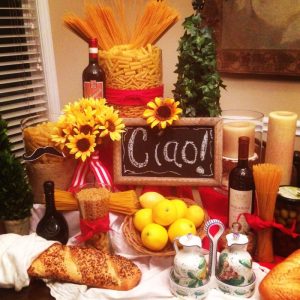
Entertaining guests with food and drink is an art that blends culinary skills, thoughtful planning, and a genuine desire to create a memorable experience. From crafting the perfect menu to setting the ideal ambiance, hosting successfully involves meticulous attention to detail and a knack for anticipating guests’ needs. This guide explores the essential elements of planning, preparing, and executing a delightful gathering, ensuring your guests feel welcomed, comfortable, and thoroughly entertained.
We’ll delve into menu design, considering dietary restrictions and creating visually appealing presentations. We’ll cover practical tips for managing timelines and budgets, as well as strategies for creating a warm and inviting atmosphere. Furthermore, we’ll explore effective ways to engage guests in conversation, handle unexpected situations with grace, and leave a lasting positive impression.
Planning the Event
Planning a successful dinner party involves careful consideration of several key aspects to ensure a smooth and enjoyable experience for both the host and guests. This includes menu design, shopping, timeline management, and budgeting. A well-structured plan minimizes stress and maximizes the chances of a memorable evening.
Menu Design for a Casual Dinner Party
This menu caters to six guests and considers potential dietary restrictions, offering vegetarian and gluten-free options. The focus is on simplicity and fresh ingredients, allowing for preparation in advance where possible.
- Appetizer: Bruschetta with assorted toppings (tomato basil, roasted red pepper, and mushroom for variety, including a gluten-free option using gluten-free bread).
- Main Course: Lemon Herb Roasted Chicken with roasted vegetables (potatoes, carrots, and asparagus). A vegetarian alternative of halloumi cheese and roasted vegetables is provided.
- Side Dish: Quinoa salad with cucumber, tomatoes, and feta cheese (naturally gluten-free and vegetarian).
- Dessert: Individual berry cheesecakes (can be made gluten-free using gluten-free digestive biscuits in the base).
Shopping List
The shopping list details quantities, allowing for flexibility and potential substitutions based on availability and preference.
- Produce: 1 baguette, 1 loaf gluten-free bread, 2 pints cherry tomatoes, 1 red onion, 2 cloves garlic, 1 bunch basil, 1 red bell pepper, 250g mushrooms, 1 lemon, 1.5kg potatoes, 500g carrots, 200g asparagus, 1 cucumber, 250g feta cheese, 250g mixed berries.
- Protein: 1.5kg whole chicken, 250g halloumi cheese.
- Pantry: Olive oil, balsamic vinegar, salt, pepper, dried herbs (oregano, thyme, rosemary), quinoa, gluten-free digestive biscuits (if needed), cream cheese, sugar.
- Drinks: Wine (red and white), sparkling water, soft drinks.
Potential substitutions include using different vegetables based on seasonality or guest preference. For example, zucchini or broccoli could replace asparagus. If halloumi is unavailable, grilled portobello mushrooms could be a suitable vegetarian alternative.
Timeline for Food and Drink Preparation
This timeline Artikels the preparation stages, aiming for efficiency and minimizing last-minute stress.
- One Day Before: Prepare the berry cheesecake filling and store in the refrigerator. Make the quinoa salad and store, covered, in the refrigerator.
- Three Hours Before: Preheat oven. Prepare vegetables for roasting. Chop ingredients for bruschetta.
- Two Hours Before: Roast vegetables and chicken. Prepare bruschetta toppings.
- One Hour Before: Assemble the cheesecakes, bake briefly if needed. Chill white wine.
- Thirty Minutes Before: Set the table. Prepare drinks.
Budget for the Event
This budget provides a realistic estimate of costs, based on average supermarket prices. Adjustments may be needed based on location and specific choices.
| Item | Estimated Cost |
|---|---|
| Produce | $30 |
| Protein | $25 |
| Pantry Staples | $15 |
| Drinks | $40 |
| Total | $110 |
This budget excludes potential costs for decorations or entertainment. Consider adding a contingency of 10-15% to account for unexpected expenses.
Food Preparation and Presentation
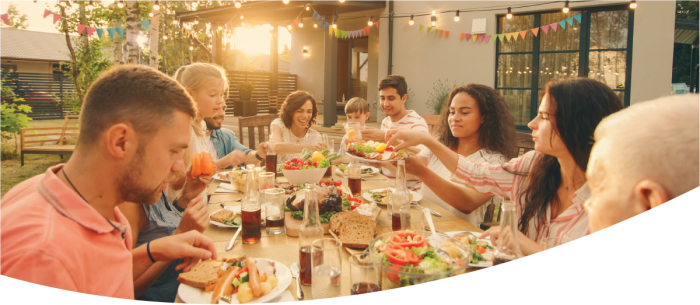
Careful food preparation and appealing presentation are crucial for a successful gathering. The effort put into making dishes not only delicious but also visually stunning elevates the entire dining experience for your guests. This section will explore various methods for preparing appetizers and a main course, along with creative dessert presentation ideas and a signature cocktail recipe.
Simple Appetizer Preparation Methods
Three simple appetizer preparation methods, varying in ease and presentation, are bruschetta, caprese skewers, and deviled eggs. Bruschetta, requiring minimal preparation, involves toasting bread slices, rubbing them with garlic, and topping with a simple tomato and basil mixture. Its rustic charm lends itself to a casual presentation. Caprese skewers offer a more elegant presentation, requiring only the assembly of cherry tomatoes, mozzarella balls, and fresh basil leaves on skewers.
This method is straightforward and visually appealing. Deviled eggs, while requiring slightly more steps (boiling eggs, mashing yolks, and mixing with mayonnaise and seasonings), provide a classic and satisfying appetizer with a sophisticated presentation when carefully arranged on a platter.
Preparing a Visually Appealing Main Course
This step-by-step guide details the preparation of pan-seared salmon with roasted asparagus and lemon-dill sauce, focusing on visual appeal.
- Prepare the asparagus: Preheat oven to 400°F (200°C). Toss asparagus spears with olive oil, salt, and pepper. Roast for 12-15 minutes until tender-crisp.
- Prepare the salmon: Pat salmon fillets dry. Season with salt, pepper, and paprika. Heat olive oil in a skillet over medium-high heat. Sear salmon for 3-4 minutes per side, until cooked through.
- Make the lemon-dill sauce: Whisk together melted butter, lemon juice, fresh dill, salt, and pepper.
- Plating: Arrange roasted asparagus on a plate. Place the seared salmon fillet on top of the asparagus. Drizzle the lemon-dill sauce over the salmon. Garnish with a lemon wedge and fresh dill sprigs.
This plating arrangement creates a visually balanced and appealing presentation, emphasizing the vibrant green of the asparagus against the pink of the salmon and the bright yellow of the lemon.
Creative Dessert Platter Decoration Ideas
Five creative ideas for decorating a dessert platter include:
- Thematic Arrangement: Group desserts by color, flavor profile (e.g., chocolate, fruity), or even season (e.g., autumnal colors and spices).
- Height and Texture: Vary the heights of desserts using small stands or cake pedestals. Incorporate different textures (e.g., smooth ganache, crunchy cookies) for visual interest.
- Edible Garnish: Use fresh berries, chocolate shavings, candied nuts, or sprigs of mint to add pops of color and texture.
- Geometric Patterns: Arrange desserts in a visually appealing geometric pattern, such as a circle, spiral, or grid, for a modern aesthetic.
- Color Coordination: Choose desserts and garnishes that complement each other in color, creating a harmonious and visually pleasing arrangement.
Signature Cocktail Recipe: Rosemary Grapefruit Gimlet, Entertaining guests with food and drink
This refreshing cocktail combines the tartness of grapefruit with the aromatic notes of rosemary.
| Ingredient | Quantity | Notes |
|---|---|---|
| Grapefruit Juice | 2 oz | Freshly squeezed is best |
| Gin | 1.5 oz | London Dry Gin recommended |
| Lime Juice | 0.75 oz | Freshly squeezed |
| Rosemary Simple Syrup | 0.5 oz | See instructions below |
| Rosemary Sprig | 1 | For garnish |
Rosemary Simple Syrup: Combine equal parts water and sugar in a saucepan. Add a few sprigs of fresh rosemary. Bring to a simmer, stirring until sugar dissolves. Remove from heat and let steep for 30 minutes. Strain and cool before using.
Drinks and Ambiance
Creating the perfect atmosphere for your gathering involves careful consideration of both the beverages offered and the overall ambiance. The right drinks can complement the food and enhance the mood, while a thoughtfully designed ambiance ensures your guests feel relaxed and welcome. A harmonious blend of these elements contributes significantly to a successful event.
Non-Alcoholic Beverage Selection
Offering a diverse selection of non-alcoholic beverages caters to various preferences and ensures everyone feels included. The following options provide a range of flavor profiles to satisfy a broad spectrum of tastes.
- Sparkling Raspberry Lemonade: A refreshing and vibrant option, combining the tartness of lemonade with the sweetness and subtle floral notes of raspberries. Its effervescence adds a celebratory touch.
- Infused Water with Cucumber and Mint: A light and subtly sweet beverage, perfect for a hot day. The coolness of cucumber and the refreshing mint create a calming and hydrating drink.
- Homemade Iced Tea (various flavors): Offering a selection of iced teas, such as peach, hibiscus, or classic black tea, allows guests to choose their preferred level of sweetness and flavor intensity. The versatility of iced tea makes it a crowd-pleaser.
- Virgin Mojito: A sophisticated and flavorful mocktail, combining the zesty lime, refreshing mint, and sweetness of simple syrup. Its vibrant green hue adds a visual appeal.
- Fruit Punch with a hint of ginger: A classic crowd-pleaser, offering a sweet and tangy blend of various fruits. The addition of ginger provides a subtle spicy kick, adding depth and complexity.
Table Setting: Formal versus Casual
The table setting significantly impacts the overall ambiance. A formal dinner party demands elegance and precision, while a casual gathering prioritizes comfort and ease.
A formal setting typically involves a crisp white tablecloth, fine china, polished silverware, and elegant glassware. Place cards are often used, and the arrangement of cutlery follows a specific protocol. The overall aesthetic is refined and sophisticated. In contrast, a casual setting might utilize a simple tablecloth or placemats, mismatched plates and cutlery, and informal glassware. The focus is on creating a relaxed and welcoming atmosphere where guests feel comfortable.
Creating a Welcoming Atmosphere
Three key elements contribute to a welcoming and comfortable atmosphere: lighting, music, and overall sensory experience.
Lighting: Dim, warm lighting creates a relaxed and intimate ambiance, while brighter lighting can feel more energetic and social. Consider using a combination of ambient, task, and accent lighting to create layers of warmth and visual interest. Candles add a touch of romance and sophistication.
Music: The music selection significantly influences the mood. Soft background music, such as jazz or classical, creates a relaxed and sophisticated atmosphere, while upbeat music can encourage conversation and dancing. The music should complement the overall theme and mood of the event. Avoid music that is too loud or jarring.
Sensory Experience: Consider incorporating other sensory elements, such as pleasant aromas (e.g., candles, diffusers), comfortable seating arrangements, and appropriate temperature control. These details enhance the overall experience and contribute to a more welcoming atmosphere.
Mood Board: A Tropical Getaway Themed Party
This mood board envisions a tropical getaway themed party.
Colors: Vibrant turquoise, sunny yellow, sandy beige, and lush green. These colors evoke the feeling of a tropical beach.
Textures: Smooth, polished wood (for serving platters), woven textures (placemats, napkins), and the rough texture of natural fibers (like sisal or jute for rugs). This creates a mix of sophistication and natural elements.
Patterns: Tropical floral prints, geometric patterns inspired by Polynesian art, and subtle stripes in beige and turquoise. These patterns add visual interest without being overwhelming.
Elements: Fresh tropical flowers (hibiscus, orchids), pineapples, coconuts, and other tropical fruits as decorative elements. These add a strong visual connection to the theme.
Lighting: Warm, string lights or lanterns to mimic the soft glow of sunset on a tropical beach. This creates a romantic and relaxed ambiance.
Entertaining Guests
With meticulous planning complete, the focus shifts to the most crucial element: your guests. Creating a warm and engaging atmosphere is paramount to a successful gathering, ensuring everyone feels welcome and enjoys themselves. This involves skillful conversation management, awareness of etiquette, and a proactive approach to potential challenges.
Strategies for Engaging Guests
Effective communication is key to fostering a positive social atmosphere. Begin by circulating amongst your guests, initiating conversations with individuals who may appear shy or isolated. Ask open-ended questions—those that encourage more than a simple “yes” or “no” response—to stimulate discussion. For example, instead of asking “Did you enjoy the food?”, try “What was your favorite dish, and what did you think of the preparation?” Active listening is equally important; show genuine interest in what your guests have to say, and respond thoughtfully.
Avoid dominating conversations, instead encouraging interaction between different groups of people. Subtly guiding conversations towards shared interests can help create a sense of community. Remember to be mindful of body language; maintaining eye contact, smiling, and using open postures can greatly enhance the feeling of connection.
Common Social Faux Pas and Their Avoidance
Three common social faux pas often arise concerning food and drink. Firstly, reaching across others to retrieve something can be disruptive and uncomfortable. Always politely ask someone to pass the item you need. Secondly, loud or boisterous behavior detracts from the overall ambiance and may make others feel uneasy. Maintaining a moderate volume during conversations is crucial.
Finally, neglecting to offer assistance or express gratitude to your host is considered impolite. Offering to help with clearing dishes or expressing sincere appreciation for their efforts demonstrates good manners and consideration.
Icebreaker Activities for a Mixed Group
To break the ice among guests with varying levels of familiarity, a few simple activities can prove beneficial. A “two truths and a lie” game encourages self-introduction with an element of fun and guessing. Each guest shares three “facts” about themselves, two true and one false; others guess the lie. A collaborative activity, like a puzzle or a simple board game, can promote interaction and teamwork.
Alternatively, a themed trivia game, tailored to the group’s interests (e.g., movies, music, history), can spark lively discussions and friendly competition. For a more relaxed approach, encourage guests to share a favorite travel memory or an interesting fact they’ve learned recently. Finally, displaying a collection of interesting objects and prompting guests to guess their purpose or origin can generate engaging conversation starters.
Handling Unexpected Dietary Restrictions
Gracefully managing unexpected dietary restrictions requires preparedness and tact. If a guest mentions an unanticipated allergy or dietary need, apologize for the oversight and do your best to accommodate them. Offer alternatives from the existing menu, such as suggesting a different dish or preparing a simple side dish that meets their needs. If the existing options are completely unsuitable, offer a sincere apology and explain the situation.
You could also consider having a few simple, adaptable options available, such as a plain grilled chicken breast or a salad with a variety of dressings, to cater to unforeseen circumstances. The key is to be responsive and accommodating, ensuring all guests feel valued and comfortable.
Post-Event Tasks
Successfully hosting an event requires attention not only to the preparation and execution but also to the crucial post-event tasks. These tasks ensure a smooth wrap-up, maintain food safety, and leave a positive lasting impression on your guests. Careful attention to these details will contribute to the overall success of your event.The post-event phase involves several key areas requiring immediate attention.
Efficiently managing these tasks will minimize stress and maximize the enjoyment of your event’s success. Proper handling of leftovers, cleaning, and expressing gratitude are essential aspects of this phase.
Cleaning and Organization
Cleaning up after a party can feel overwhelming, but a systematic approach simplifies the process. Begin by clearing away all dishes and food items, rinsing them immediately to prevent food from drying and sticking. Then, wipe down all surfaces, including tables, countertops, and the stovetop. Sweep or vacuum floors to remove crumbs and debris. Finally, empty all trash cans and dispose of them properly.
Consider using separate trash bags for recyclables to promote environmentally responsible practices. For example, separating glass bottles from plastic containers and paper products can significantly reduce your waste footprint.
Leftover Storage and Food Safety
Properly storing leftovers is crucial for food safety and quality. Quickly refrigerate any perishable foods within two hours of serving, or within one hour if the ambient temperature is above 90°F (32°C). Divide large portions into smaller, shallow containers to facilitate rapid cooling. Label containers with the date and contents to aid in identification and prevent spoilage.
Always ensure that leftovers are stored at a temperature below 40°F (4°C) to inhibit bacterial growth. Discard any leftovers that show signs of spoilage, such as unusual odors, discoloration, or slimy textures. For example, a leftover casserole showing signs of mold should be immediately discarded, regardless of how little mold is present. Food poisoning can have serious consequences.
Thank-You Notes and Guest Feedback
Sending thank-you notes is a thoughtful gesture that demonstrates your appreciation for your guests’ presence. A simple handwritten note expressing gratitude for their company and enjoyment of the event goes a long way in strengthening relationships. Consider sending these notes within a week of the event to maintain the positive memory. Collecting feedback can be valuable for future events.
A simple, informal survey or a brief email requesting feedback on aspects like food, ambiance, and overall enjoyment can provide valuable insights. For example, an email could simply ask: “What did you enjoy most about the event?” and “What suggestions do you have for future gatherings?”
Event Success Evaluation
Evaluating the success of your event involves considering various factors beyond just guest attendance. Did you achieve your goals for the event? Were your guests comfortable and entertained? Was the food and drink well-received? Were there any unforeseen challenges or issues?
Analyzing these aspects provides a holistic perspective on the event’s success. Gathering feedback, as mentioned previously, is a critical component of this evaluation process. This feedback can be used to improve future events. For example, if many guests commented on the insufficient seating, you would know to provide more seating at your next event.
Ultimately, the success of entertaining guests with food and drink hinges on a combination of careful planning, skillful execution, and genuine hospitality. By thoughtfully considering each aspect, from menu creation to post-event tasks, you can transform a simple gathering into a truly memorable experience for both yourself and your guests. Remember that the most important ingredient is your genuine warmth and desire to create a welcoming and enjoyable environment.
The detailed planning Artikeld here will help ensure your event is a success, leaving lasting positive memories for all.
Question Bank: Entertaining Guests With Food And Drink
What are some affordable drink options for a large group?
Punch bowls (fruit punch, sangria), large-batch cocktails ( margaritas, mojitos), and pitchers of iced tea or lemonade are cost-effective choices.
How do I handle allergies or dietary restrictions I wasn’t informed about beforehand?
Apologize sincerely, and offer alternatives. Have a few simple, adaptable dishes on hand (like grilled chicken or a simple salad) that can be easily modified or substituted.
What’s the best way to clean up after a large party?
Enlist help! Ask guests to assist with clearing dishes or offer to pay for a cleaning service. Prioritize tasks (e.g., dishes first, then floors).
How can I make my party more inclusive and welcoming to guests from diverse backgrounds?
Offer a variety of food options catering to different dietary needs and preferences. Be mindful of cultural sensitivities in your music, decor, and conversations.