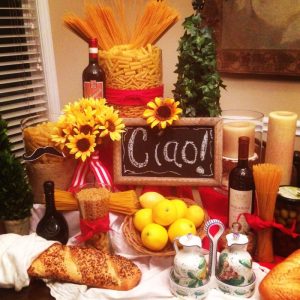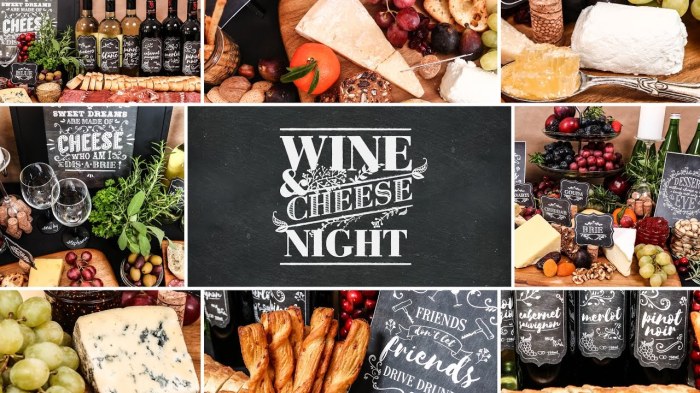
Wine and cheese party ideas offer a delightful blend of sophisticated ambiance and convivial gatherings. From selecting the perfect wines and cheeses to crafting a visually stunning spread and setting the mood, planning a successful wine and cheese party involves careful consideration of several key elements. This guide explores themes, wine and cheese pairings, complementary foods, and presentation techniques to help you host an unforgettable event.
The journey begins with establishing a theme, whether it’s rustic charm, modern elegance, or playful sophistication. Careful consideration of lighting, color palettes, and decorative elements sets the stage for an enjoyable experience. Next, curating a diverse selection of wines – reds, whites, and rosés – alongside an array of cheeses with varying textures and flavors is crucial. This requires understanding wine varietals and their compatibility with different cheeses, as well as proper storage and serving techniques.
Finally, thoughtful food pairings, creative presentation, and a welcoming atmosphere ensure your party is a resounding success.
Theme & Ambiance
Setting the right theme and ambiance is crucial for a successful wine and cheese party. The atmosphere should complement the sophistication of the wines and cheeses, creating a memorable experience for your guests. Careful consideration of color palettes, decorative elements, and lighting will transform your party space into a haven of refined enjoyment.A sophisticated wine and cheese party theme can be built around a “Tuscan Sunset” concept.
This theme evokes feelings of warmth, relaxation, and rustic elegance.
Color Palette and Decorative Elements
The Tuscan Sunset theme utilizes a warm and inviting color palette. Imagine rich terracotta reds, sun-drenched yellows and oranges, complemented by deep greens and earthy browns. These colors can be incorporated through tablecloths, napkins, and even the flowers used in centerpieces. Decorative elements could include rustic wooden serving platters, wrought-iron candle holders, and perhaps some dried herbs or wheat stalks for a touch of the Tuscan countryside.
Consider using terracotta pots with herbs as centerpieces, adding both visual appeal and a subtle aroma. Elegant wine glasses and cheese knives further enhance the sophisticated feel.
Mood Board: Ambiance Options
A mood board can help visualize different ambiance options. Here are four distinct styles:
- Rustic: This ambiance emphasizes natural materials like wood, stone, and burlap. Think warm lighting, exposed brick (if available), and wildflowers in simple vases. The overall feeling is cozy and inviting, reminiscent of a countryside farmhouse.
- Modern: A modern wine and cheese party uses clean lines, minimalist décor, and a neutral color palette with pops of bright color. Think sleek, metallic serving dishes, geometric patterns, and contemporary art. The lighting would be focused and directional, highlighting key features.
- Elegant: Elegance is achieved through luxurious fabrics, such as velvet or silk, crystal glassware, and silver serving pieces. Subdued lighting, perhaps with candles and soft uplighting, creates a romantic and refined atmosphere. A color palette of deep blues, purples, and golds adds to the opulent feel.
- Playful: A playful ambiance incorporates bright colors, whimsical decorations, and perhaps even a fun theme like a “cheese and wine picnic” setting. Think checkered tablecloths, colorful balloons, and string lights. The lighting should be bright and cheerful, reflecting the lighthearted mood.
Lighting to Enhance the Theme
Lighting plays a pivotal role in setting the mood. For the Tuscan Sunset theme, warm, amber-toned lighting is ideal. This can be achieved through the use of candles, string lights with warm-white bulbs, or even strategically placed lamps with warm-toned shades. Avoid harsh overhead lighting; instead, opt for softer, ambient lighting that creates a welcoming and intimate atmosphere.
Dimmable lights allow for adjustments to suit the mood throughout the evening. Consider using uplighting to highlight architectural features or create a dramatic backdrop.
Wine Selection
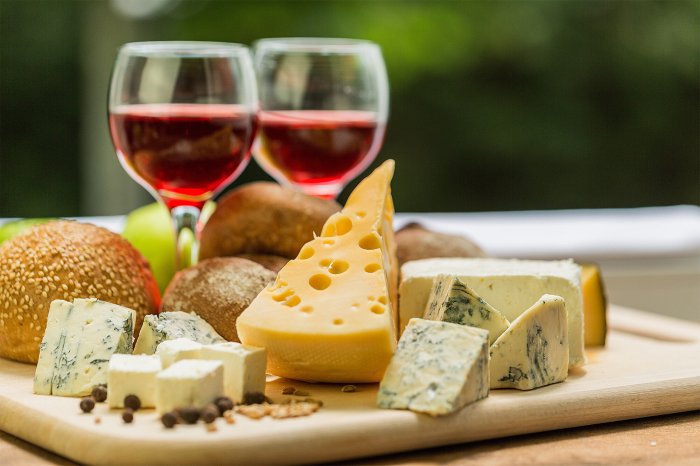
A well-curated wine selection is paramount to a successful wine and cheese party. The goal is to offer a variety of flavors and styles that complement the diverse range of cheeses, catering to different palates and preferences. Careful consideration should be given to the body, acidity, and tannins of the wines, ensuring they harmonize with the textures and intensities of the cheeses.
Wine Varietals and Cheese Pairings
The following table presents five red, five white, and five rosé wines, each with tasting notes and suggested cheese pairings. These selections represent a range of styles and flavors, providing a balanced and enjoyable experience for your guests.
| Wine Type | Wine Name | Tasting Notes | Cheese Pairing Suggestions |
|---|---|---|---|
| Red | Pinot Noir (Burgundy) | Light to medium-bodied, earthy notes, red fruit flavors (cherry, raspberry), often with subtle spice. | Camembert, Brie, goat cheese |
| Red | Merlot (Bordeaux) | Medium-bodied, soft tannins, plum and black cherry flavors, often with hints of chocolate or vanilla. | Cheddar, Gruyère, Gouda |
| Red | Cabernet Sauvignon (Napa Valley) | Full-bodied, firm tannins, black currant and cedar notes, often with hints of vanilla and oak. | Aged cheddar, Parmesan, Manchego |
| Red | Zinfandel (California) | Medium to full-bodied, high alcohol, jammy fruit flavors (blackberry, raspberry), often with peppery spice. | Hard cheeses like Pecorino Romano or aged Gouda |
| Red | Malbec (Argentina) | Medium to full-bodied, dark fruit flavors (plum, blackberry), often with notes of chocolate and vanilla. | Blue cheese, aged Gouda |
| White | Sauvignon Blanc (Loire Valley) | Light-bodied, crisp acidity, herbaceous notes (grassy, citrus), often with grapefruit or passionfruit flavors. | Goat cheese, soft cheeses with herbal notes |
| White | Chardonnay (Burgundy) | Medium to full-bodied, buttery texture, often with notes of apple, pear, and vanilla. Styles can range from unoaked to heavily oaked. | Comté, Gruyère, Brie |
| White | Riesling (Germany) | Light to medium-bodied, high acidity, ranging from bone dry to intensely sweet, often with notes of apricot, honey, and petrol (in aged examples). | Goat cheese, blue cheese, aged cheddar |
| White | Pinot Grigio (Italy) | Light-bodied, crisp acidity, delicate fruit flavors (pear, apple), often with mineral notes. | Mozzarella, fresh goat cheese |
| White | Albariño (Spain) | Medium-bodied, citrus and stone fruit flavors (lemon, peach), often with saline notes. | Manchego, goat cheese |
| Rosé | Provence Rosé (France) | Light-bodied, dry, refreshing, often with notes of strawberry, watermelon, and herbs. | Feta, goat cheese |
| Rosé | Tavel Rosé (France) | Medium-bodied, dry, more structured than Provence rosé, often with notes of red fruit and spice. | Hard cheeses, like Manchego or Pecorino |
| Rosé | Pinot Noir Rosé (Oregon) | Light to medium-bodied, dry, often with notes of red fruit and subtle earthiness. | Brie, Camembert |
| Rosé | Sangiovese Rosé (Italy) | Medium-bodied, dry, often with notes of red fruit and a slight bitterness. | Hard cheeses, aged cheddar |
| Rosé | Grenache Rosé (Spain) | Light to medium-bodied, often with notes of strawberry, watermelon, and a touch of spice. | Soft cheeses, goat cheese |
Wine Varietal Characteristics and Cheese Compatibility
Different wine varietals possess unique characteristics – acidity, tannins, body, and flavor profiles – that influence their compatibility with various cheeses. High-acidity wines, like Sauvignon Blanc, cut through the richness of creamy cheeses, while full-bodied wines with firm tannins, such as Cabernet Sauvignon, stand up to the intensity of aged cheeses. Lighter-bodied wines pair well with softer cheeses, while bolder wines complement stronger, more pungent cheeses.
The balance between the wine’s acidity, tannins, and fruitiness should complement the cheese’s texture, saltiness, and overall flavor profile.
Wine Storage and Serving
Proper storage and serving are crucial for maintaining wine quality. Red wines should be stored in a cool, dark place at a consistent temperature between 55-65°F (13-18°C). White wines generally prefer slightly cooler temperatures, around 45-55°F (7-13°C). Avoid exposure to direct sunlight, extreme temperature fluctuations, and vibrations. Before serving, allow red wines to breathe for at least 30 minutes to an hour to allow the aromas to open up.
Serve white wines chilled, and red wines at slightly below room temperature. Using the appropriate glassware also enhances the wine’s aromas and flavors.
Cheese Selection
A thoughtfully curated cheese board is the cornerstone of a successful wine and cheese party. The variety and quality of your cheese selection will significantly impact the overall guest experience, offering a diverse range of flavors and textures to complement the wines. Careful consideration should be given to the different types of cheese, their origins, and their pairings with the chosen wines.The importance of selecting cheeses with varying textures, milk types, and flavor profiles cannot be overstated.
A well-rounded board should include soft, semi-hard, and hard cheeses, representing cow, sheep, and goat milk varieties. This diversity allows guests to explore a wide spectrum of taste experiences and find their personal favorites. Furthermore, considering the age and rind of each cheese enhances the complexity of the tasting journey.
Cheese Board Composition
The following selection provides a diverse range of cheeses, considering texture, milk type, and flavor profile, suitable for a wine and cheese party:
- Brie (Cow’s milk, soft): A creamy, buttery cheese with a delicate mushroomy aroma, perfect for a softer start to the cheese journey.
- Camembert (Cow’s milk, soft): Similar to Brie but with a stronger, more pungent aroma and a slightly firmer texture.
- Goat Cheese Log (Goat’s milk, soft): Tangy and fresh, with a crumbly texture. Offers a delightful contrast to the richer cow’s milk cheeses.
- Cheddar (Cow’s milk, firm): A classic, widely appreciated cheese with a sharp, nutty flavor. Age will influence the intensity of the flavor.
- Gruyère (Cow’s milk, semi-hard): Nutty and slightly sweet with a firm, slightly grainy texture, perfect for a more complex flavor.
- Comté (Cow’s milk, hard): A firm, nutty cheese with a complex flavor that develops with age, offering a sophisticated option.
- Gorgonzola (Cow’s milk, blue): A pungent, creamy blue cheese with a salty, earthy flavor. Its strong flavor provides a bold counterpoint to milder cheeses.
- Manchego (Sheep’s milk, firm): A firm, slightly salty cheese with a nutty flavor, offering a distinct sheep’s milk profile.
- Stilton (Cow’s milk, blue): A creamy blue cheese with a sharper, more intense flavor than Gorgonzola. It’s a bold choice for adventurous palates.
- Parmesan (Cow’s milk, hard): A hard, granular cheese with a salty, sharp, and umami flavor. Its intense flavor provides a strong finish to the tasting.
Cheese Age and Rind Considerations, Wine and cheese party ideas
The age of a cheese directly impacts its flavor intensity and texture. Younger cheeses tend to be milder and creamier, while aged cheeses develop more complex, sharper flavors and firmer textures. For example, a young cheddar will be mild and buttery, whereas an aged cheddar will be sharp and crumbly. Considering the age allows for a balanced selection, catering to different palates.
The rind, too, plays a crucial role. Edible rinds, like those on Brie or Camembert, add another layer of flavor and texture. However, inedible rinds should be removed before serving. This information should be clearly communicated to guests to avoid confusion.
Cheese Board Arrangement
Visual appeal is as important as flavor. Arrange the cheeses on a large, attractive board, varying heights and textures. Place softer cheeses towards the center to prevent them from being squashed. Harder cheeses can be placed around the edges. Accompany the cheeses with crackers, grapes, nuts, figs, and honey for contrasting flavors and textures.
Consider color coordination; a visually pleasing arrangement enhances the overall experience. For instance, the vibrant colors of grapes and figs contrast beautifully against the creamy whites and yellows of the cheeses. The board should be a feast for the eyes as well as the palate.
Accompaniments
Selecting the right accompaniments is crucial to elevate your wine and cheese party from good to exceptional. The goal is to create a harmonious balance of flavors and textures that complement, rather than compete with, the stars of the show: the wine and cheese. Careful consideration of complementary tastes and textures will ensure a truly memorable experience for your guests.The addition of carefully chosen accompaniments enhances the overall tasting experience, allowing guests to explore a wider range of flavors and textures.
These additions should not overpower the delicate nuances of the wines and cheeses but rather serve to highlight and enhance their characteristics. Think of them as supporting players in a well-orchestrated culinary performance.
Complementary Food Items
A well-curated selection of accompaniments can significantly enhance the overall tasting experience. The following five items offer a diverse range of flavors and textures to pair with various wines and cheeses.
- Fresh Grapes: The sweetness and juicy texture of grapes, particularly red grapes like Cabernet Sauvignon grapes, offer a refreshing contrast to both bold reds and creamy cheeses. The slight acidity cuts through the richness of the cheese and complements the tannins in red wines. A crisp Sauvignon Blanc pairs beautifully with green grapes.
- Marcona Almonds: These almonds boast a buttery, almost sweet flavor and a satisfyingly crunchy texture. Their richness pairs well with both hard and semi-hard cheeses, especially those with nutty notes, like aged cheddar or Manchego. They also complement the earthy notes found in many red wines, such as a Pinot Noir.
- Water Crackers: Their delicate, crisp texture provides a neutral base that allows the flavors of the cheese and wine to shine. They are particularly well-suited to creamy cheeses and lighter-bodied wines, such as a dry Riesling or a Pinot Grigio. The cracker’s slight saltiness also enhances the overall experience.
- Castelvetrano Olives: These buttery, mild olives offer a briny, slightly sweet counterpoint to sharp cheeses and rich wines. Their smooth texture and subtle flavor won’t overpower the other elements on the platter. They pair well with a robust Chardonnay or a dry Rosé.
- Fig Jam: The sweet and slightly tart flavor of fig jam provides a delightful contrast to both soft cheeses, like Brie or Camembert, and stronger cheeses, such as Gorgonzola. The jam’s thick, spreadable texture adds another layer of sensory experience, enhancing the overall taste profile. It complements the fruity notes in many dessert wines, like a Port.
Simple and Elegant Appetizer Recipes
These recipes are designed to be easily prepared yet sophisticated enough to impress your guests.
- Prosciutto-Wrapped Melon Bites: Simply wrap thin slices of prosciutto around cubes of cantaloupe or honeydew melon. The salty prosciutto complements the sweetness of the melon, creating a balanced and refreshing appetizer. This pairs well with a light-bodied white wine like Pinot Grigio.
- Caprese Skewers: Thread cherry tomatoes, fresh mozzarella balls, and basil leaves onto skewers. Drizzle with balsamic glaze for a touch of sweetness and acidity. The combination of sweet, creamy, and herbaceous flavors is both simple and elegant. This pairs beautifully with a crisp Sauvignon Blanc.
- Baked Brie with Honey and Walnuts: Place a wheel of brie in an oven-safe dish. Top with a drizzle of honey and chopped walnuts. Bake until the brie is melted and bubbly. Serve with crackers or baguette slices. The combination of creamy brie, sweet honey, and crunchy walnuts offers a delightful contrast of textures and flavors.
This is a perfect pairing with a late-harvest Riesling.
Balancing Flavors and Textures
Achieving a balanced spread is paramount. Consider the interplay of flavors—sweet, salty, bitter, sour, umami—and textures—creamy, crunchy, smooth, soft—when arranging your food table. Avoid overwhelming any single flavor profile. The goal is to offer a variety of options that complement each other and enhance the overall experience, rather than creating a chaotic jumble of competing tastes and textures.
A diverse range of flavors and textures keeps the tasting experience engaging and prevents palate fatigue.
Entertaining Aspects: Wine And Cheese Party Ideas
Creating a memorable wine and cheese party hinges not only on the quality of the food and drink but also on the overall atmosphere and experience you curate for your guests. A welcoming and engaging environment fosters conversation, encourages mingling, and leaves a lasting positive impression. This section will detail strategies for achieving this, including a timeline for preparation and suggestions for a fitting musical backdrop.A welcoming atmosphere is built through thoughtful details.
Consider the flow of your space, ensuring easy movement and access to food and drinks. Soft lighting, perhaps from candles or strategically placed lamps, creates a warm and inviting ambiance. Comfortable seating arrangements, including a mix of seating options to cater to different preferences, encourage conversation and relaxation. Subtle background music sets the mood without overpowering conversation.
Creating a Welcoming Atmosphere
Careful consideration of the sensory details contributes significantly to the overall experience. The visual appeal of the spread, with cheeses artfully arranged and garnishes thoughtfully placed, enhances the enjoyment. A pleasant aroma, perhaps from subtly scented candles or the cheeses themselves, adds another layer of sensory richness. The tactile experience, even something as simple as the softness of the napkins or the feel of the glassware, contributes to the overall impression.
Finally, the soundscape, created through a carefully selected playlist, should be relaxing and conducive to conversation.
Party Preparation Timeline
A well-structured timeline ensures a stress-free experience for the host. The following is a sample timeline, adaptable to the scale and complexity of your event.
- One Week Before: Finalize guest list, send invitations, and begin shopping for wine and cheese (if not purchasing on-site). Begin compiling your playlist.
- Two Days Before: Purchase any remaining ingredients for accompaniments and garnishes. Clean and organize your party space.
- One Day Before: Prepare any accompaniments that can be made in advance, such as dips or fruit platters. Chill the wine. Set the table and arrange the serving areas.
- Two Hours Before: Arrange the cheese board, ensuring variety in texture, flavor, and color. Prepare any last-minute garnishes. Light candles and dim the lights.
- Thirty Minutes Before: Put on the music. Ensure all drinks are chilled and readily accessible. Offer guests a welcome drink upon arrival.
Suggested Music Playlist
Music should complement the ambiance, providing a subtle and sophisticated background without dominating the conversation. A playlist featuring mellow jazz, classical guitar, or acoustic pop would be suitable. Consider artists such as Chet Baker, Miles Davis (for jazz), Rodrigo y Gabriela (for classical guitar), or Jack Johnson (for acoustic pop). The key is to avoid music with strong vocals or a fast tempo that might overpower conversation.
The playlist should flow smoothly from one song to the next, creating a consistent mood throughout the evening. A curated playlist, rather than a random shuffle, will provide a more cohesive and refined listening experience.
Presentation & Decor
A thoughtfully designed presentation elevates a wine and cheese party from a simple gathering to a sophisticated and memorable experience. The visual appeal of the setting, the creative arrangement of food, and the choice of glassware all contribute to the overall ambiance and enjoyment of your guests. Careful consideration of these elements will create a visually stunning and inviting atmosphere.The success of a wine and cheese party hinges significantly on the presentation of the food and drinks.
A visually appealing table setting, creative food presentation techniques, and the strategic use of glassware all contribute to creating a memorable and enjoyable experience for your guests.
Table Setting Design
A well-designed table setting sets the tone for the entire party. Start with a crisp tablecloth, perhaps in a neutral color like ivory or cream, to provide a clean backdrop. Consider using linen napkins, folded elegantly, adding a touch of sophistication. For tableware, choose pieces that complement the overall theme. Subtle patterns or metallic accents can add visual interest without being overwhelming.
A centerpiece is crucial; a low arrangement of fresh flowers, fruits, or even a collection of interesting candles would create a focal point without obstructing conversation. The following table illustrates a possible table setting:
| Item | Description |
|---|---|
| Tablecloth | Cream-colored linen tablecloth |
| Napkins | Linen napkins, folded in a simple yet elegant manner |
| Tableware | White porcelain plates and silverware with subtle gold detailing |
| Centerpiece | Low arrangement of white and blush pink roses with trailing greenery |
| Glassware | A selection of wine glasses (red and white wine glasses), and water glasses |
Creative Food Presentation Techniques
Moving beyond simply placing cheese and accompaniments on a platter, consider creative presentation techniques to enhance the visual appeal. Small slate boards are ideal for arranging cheeses individually, providing a rustic yet elegant look. Each cheese can be labeled with a small card indicating its name and origin. Individual serving platters, perhaps made of wood or ceramic, allow for personalized portions, adding a touch of formality and preventing cross-contamination.
Consider arranging grapes or berries artfully around the cheese selections. A scattering of fresh herbs, like rosemary or thyme, can also add a visually appealing and aromatic touch.
Visual Impact of Glassware
The choice of glassware significantly impacts the overall presentation. Different wine glasses are designed to enhance the tasting experience of specific wines. Using appropriate glassware not only adds to the visual appeal but also allows guests to fully appreciate the wines’ aromas and flavors. Tall, slender flutes are best suited for sparkling wines, while larger bowled glasses are ideal for red wines, allowing for proper aeration.
White wines are best served in smaller, more delicate glasses. The clarity and quality of the glassware itself also contribute to the overall impression; crystal or high-quality glass adds a touch of elegance.
Hosting a memorable wine and cheese party is an art that combines culinary expertise, aesthetic sensibilities, and a touch of hospitality. By carefully curating your wine and cheese selection, considering complementary foods and thoughtful presentation, and setting a welcoming atmosphere, you can create an event that delights your guests and leaves a lasting impression. Remember that the key is balance – in flavors, textures, and the overall ambiance – to create a harmonious and enjoyable experience for everyone.
With a little planning and attention to detail, your wine and cheese party will be a resounding success.
FAQ Explained
What’s the ideal guest-to-cheese ratio?
Plan for approximately 3-4 ounces of cheese per person.
How far in advance should I plan my wine and cheese party?
At least 2-3 weeks allows ample time for planning, shopping, and preparation.
What if I don’t know much about wine?
Consult a local wine shop or sommelier for recommendations based on your guests’ preferences and the chosen cheese selection.
How can I make my cheese board visually appealing?
Vary cheese textures and colors, use contrasting accompaniments, and arrange cheeses in an aesthetically pleasing pattern.