How to host a dinner party is more than just serving food; it’s about crafting an unforgettable experience for your guests. From meticulous planning and menu creation to setting the perfect ambiance and engaging in lively conversation, this guide covers every aspect of hosting a successful dinner party, transforming a simple meal into a cherished memory.
We’ll delve into creating a detailed budget, managing RSVPs efficiently, designing visually appealing table settings, and even selecting the ideal music to set the mood. We’ll also explore strategies for engaging conversation and provide ideas for entertainment, ensuring your guests feel welcomed and thoroughly entertained throughout the evening. Ultimately, this guide aims to empower you to host gatherings that are both enjoyable and stress-free.
Choosing a Menu

Crafting the perfect menu is crucial for a successful dinner party. Consider your guests’ dietary preferences and restrictions, your culinary skills, and the overall ambiance you wish to create. A well-planned menu allows you to focus on enjoying your guests’ company rather than stressing over last-minute kitchen emergencies. The key is balance – a mix of flavors, textures, and courses that create a satisfying and memorable dining experience.
Three Diverse Dinner Party Menus
To cater to a variety of tastes and dietary needs, here are three sample menus:
- Vegetarian Menu: Roasted Butternut Squash Soup with Sage, Wild Mushroom and Spinach Tart with Gruyère, Arugula Salad with Balsamic Vinaigrette, Lemon and Poppy Seed Cake.
- Pescatarian Menu: Pan-Seared Scallops with Lemon Butter Sauce, Asparagus and Pea Risotto, Grilled Salmon with Dill and Lemon, Strawberry and Rhubarb Crisp.
- Omnivore Menu: Beef Bourguignon, Creamy Parmesan Polenta, Roasted Root Vegetables, Chocolate Lava Cakes.
These menus offer variety while remaining cohesive. Each menu includes a soup or appetizer, a main course, a side dish, and a dessert. Remember to adjust portion sizes based on the number of guests.
Step-by-Step Recipe: Roasted Butternut Squash Soup
This recipe is a hearty and flavorful vegetarian option, perfect as a starter for a dinner party. Sourcing high-quality ingredients enhances the overall taste.
- Ingredient Sourcing: Select a medium-sized butternut squash (preferably organic), fresh sage leaves, vegetable broth (low sodium preferred), olive oil, and a shallot. Consider sourcing your ingredients from a local farmers market for the freshest flavors.
- Preparation: Preheat oven to 400°F (200°C). Cut the butternut squash in half, remove seeds, and drizzle with olive oil, salt, and pepper. Roast for 45-60 minutes, or until tender.
- Soup Preparation: Once cool enough to handle, scoop the roasted squash flesh into a large pot. Add chopped shallot and sauté until softened. Pour in vegetable broth and bring to a simmer. Add a handful of fresh sage leaves. Simmer for 15 minutes.
- Blending: Carefully transfer the soup to a blender (or use an immersion blender) and blend until smooth and creamy. Season with salt and pepper to taste.
- Serving: Garnish with a swirl of cream or a sprinkle of extra sage leaves before serving. Serve warm with crusty bread.
Table Setting Design: Rustic Elegance
For a rustic elegant aesthetic, use a natural linen tablecloth in a warm cream or beige color. Place chargers made of woven wood or natural stone underneath dinner plates. Use mismatched vintage silverware, adding a touch of character and charm. Wine glasses should be simple and elegant, possibly with a slight taper. Napkins can be linen or cotton, folded simply and placed to the left of the forks.
Centerpieces could consist of wildflowers in mason jars or a simple arrangement of branches and candles. The overall effect should be warm, inviting, and effortlessly stylish, highlighting natural textures and materials.
Setting the Ambiance
Creating the perfect atmosphere for your dinner party is crucial; it sets the tone and contributes significantly to your guests’ overall experience. A well-crafted ambiance encourages conversation, relaxation, and creates lasting positive memories. The key elements to focus on are lighting, music, and décor, each working in harmony to achieve a cohesive and inviting environment.A thoughtfully designed ambiance enhances the dining experience, transforming a simple meal into a memorable event.
Consider the overall mood you wish to evoke – romantic, lively, sophisticated, or casual – and choose elements that reflect this desired feeling. The interplay of lighting, music, and décor will create the atmosphere you envision.
Lighting
Lighting plays a pivotal role in shaping the mood of your dinner party. Harsh overhead lighting can feel stark and uninviting, while soft, warm lighting fosters a sense of intimacy and comfort. Consider using a combination of lighting sources to achieve the desired effect. Dimmable overhead lights can provide a base level of illumination, while strategically placed table lamps or candles add a warm, flickering glow.
Fairy lights strung around the room or draped over furniture can add a touch of magic, especially for more casual gatherings. For a more sophisticated event, consider using uplighters to subtly illuminate walls, creating a dramatic and elegant ambiance. Avoid overly bright lighting which can be distracting and make guests feel uncomfortable.
Music
The right music can significantly elevate the atmosphere of your dinner party. The genre you choose should complement the overall mood and the type of gathering. For a relaxed and intimate dinner party, consider soft jazz, classical music, or acoustic folk. These genres tend to be less intrusive and encourage conversation. For a more lively and celebratory event, upbeat pop, soul, or Latin music might be more appropriate, but keep the volume at a level that allows for easy conversation.
Avoid music with strong, distracting lyrics that might hinder conversation. A well-curated playlist, tailored to your guests and the occasion, is key. Consider starting with something mellow and gradually increasing the energy as the evening progresses.
Table Decorations
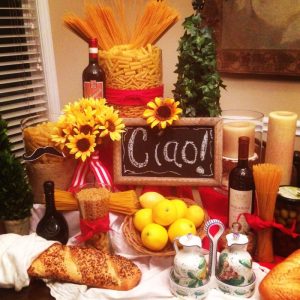
Table decorations are a crucial aspect of setting the ambiance, offering both visual appeal and practical functionality. A beautifully set table instantly elevates the dining experience. Consider using a visually appealing tablecloth as a foundation, choosing a color and texture that complements your overall theme. Centerpieces should be visually striking yet not obstruct conversation. A low arrangement of flowers, candles, or decorative objects is ideal.
Remember functionality; ensure that the centerpieces do not impede guests from reaching across the table. For a unique touch, consider incorporating elements related to the season or the theme of your dinner party. For example, autumn leaves and gourds could be used for a fall-themed dinner party, or seashells and starfish for a summer beach-themed event. Place cards not only add a personal touch but also help guests easily find their seats.
Entertaining Guests: How To Host A Dinner Party
A successful dinner party hinges not only on delicious food and a pleasant atmosphere but also on the ability to engage your guests and create a lively, inclusive environment. The key is to foster natural conversation, encourage interaction, and provide opportunities for shared experiences. This involves thoughtful planning and a genuine interest in your guests’ well-being.Effective strategies for facilitating engaging conversations and creating a positive social atmosphere involve careful consideration of guest dynamics and the creation of a comfortable, relaxed setting.
Remember that the goal is to encourage interaction and shared enjoyment, not to force participation.
Conversation Starters
A well-chosen conversation starter can break the ice and spark engaging discussions. The best starters are open-ended, avoiding yes/no answers, and relevant to a broad range of experiences. Avoid controversial topics early on, focusing instead on shared interests or lighthearted observations.
- What’s been the highlight of your week?
- Have you read/seen/heard anything interesting lately?
- What are you passionate about right now?
- What’s a skill you’ve always wanted to learn?
- What’s your favorite travel memory?
Planned Entertainment
Including planned activities can add another layer of enjoyment and provide a structured approach to interaction, particularly helpful for larger groups or when guests may not know each other well. The choice of activity should reflect the preferences of your guests and the overall tone of the evening.
| Activity | Materials Needed | Setup | Duration |
|---|---|---|---|
| Two Truths and a Lie | Paper and pens | Guests write down two true statements and one lie about themselves. They then take turns reading their statements aloud, and others guess the lie. | 15-20 minutes |
| Board Game (e.g., Codenames, Ticket to Ride) | Chosen board game | Set up the game on a table in a central location. Ensure there’s enough space for everyone to comfortably participate. | 30-60 minutes |
| Music Playlist | Music streaming service or curated playlist | Create a playlist of music that appeals to a wide range of tastes. Ensure the volume is appropriate for conversation. | Background throughout the evening |
| Photo Booth | Backdrops, props (hats, glasses, etc.), camera (phone or instant camera) | Set up a designated area with backdrops and props. Ensure adequate lighting. | Ongoing throughout the evening |
Post-Party Tasks
The final act of a successful dinner party is the efficient and graceful handling of the post-party cleanup and thank-you expressions. A well-managed post-party process ensures a smooth transition back to your routine and leaves a lasting positive impression on your guests. This involves a systematic approach to cleaning, thoughtful thank-you notes, and smart leftover management.
Efficient Cleanup Procedures
Cleaning up after a dinner party doesn’t have to be daunting. A strategic approach, dividing tasks and utilizing efficient methods, can significantly reduce the time and effort involved. Start by clearing the table and moving dirty dishes to the kitchen. Pre-soaking heavily soiled dishes in hot, soapy water will significantly ease the scrubbing process.
Dishwashing Strategies
For efficient dishwashing, consider a two-stage approach. First, scrape off excess food scraps into the trash or compost bin. Then, wash dishes immediately or load them into the dishwasher, separating silverware and glassware to prevent chipping or scratching. If hand washing, prioritize washing dishes in order of least to most soiled, using hot, soapy water and rinsing thoroughly. Consider using a dish rack to allow dishes to air dry.
Waste Disposal
Proper waste disposal is crucial for maintaining hygiene and minimizing environmental impact. Separate recyclable materials (glass, plastic, paper) from organic waste (food scraps) and regular trash. Use clearly labeled bins to streamline the process. Composting food scraps is an environmentally friendly way to reduce landfill waste. Dispose of broken glass carefully, wrapping shards in multiple layers of newspaper before placing them in the trash.
Sending Thank-You Notes
Sending thank-you notes is a crucial element of proper dinner party etiquette. These notes express gratitude for your guests’ presence and company, reinforcing the positive experience. A handwritten note is always more personal and appreciated than a generic email or text message.
Personalizing Thank-You Notes
Personalize each note by mentioning a specific detail from the evening you enjoyed with that guest. Did they share a particularly interesting anecdote? Did you have a lively conversation about a specific topic? Referencing these personal details shows that you value your guests and remember the evening fondly. For example, “Thank you so much for joining us last night.
I especially enjoyed our conversation about your recent trip to Italy!” or “It was wonderful catching up with you last night. Your insights on [topic] were particularly fascinating.”
Organizing and Repurposing Leftovers
Leftovers from a dinner party can be a fantastic resource for future meals, reducing food waste and saving time. Proper storage is key to maintaining freshness and quality.
Leftover Organization and Repurposing, How to host a dinner party
Immediately after the party, transfer leftovers into airtight containers, labeling each with the contents and date. Store them promptly in the refrigerator or freezer, depending on the dish and intended use. Repurposing leftovers can be as simple as transforming roasted vegetables into a frittata or using leftover meat to create a hearty soup or sandwich filling. Creative repurposing not only minimizes waste but also adds variety to your meal planning.
For instance, leftover pasta can be transformed into pasta salad, and leftover chicken can be used in tacos or a chicken salad sandwich.
Entertaining Beyond the Dinner Party
Hosting a successful gathering extends far beyond the traditional dinner party. The art of entertaining encompasses a wide spectrum of events, each with its own unique nuances and requirements. Understanding these differences allows hosts to tailor their approach and create memorable experiences for their guests.Successful entertaining hinges on meticulous planning, thoughtful preparation, and genuine engagement with guests. While the specifics vary depending on the event, the underlying principles remain consistent: creating a welcoming atmosphere, providing delicious food and drink, and fostering engaging conversation.
Types of Gatherings and Their Distinctive Characteristics
Different occasions demand different approaches. A formal dinner party requires a significantly higher level of planning and formality than a casual brunch. Cocktail parties, for example, prioritize mingling and conversation, often with a focus on drinks and appetizers, while brunches are typically more relaxed and family-friendly. Formal dinners, conversely, demand meticulous attention to detail, from the menu and table setting to the dress code and seating arrangements.
Each type of gathering presents unique opportunities to showcase your hospitality.
Hosting Based on Gathering Size and Type
The size and nature of your gathering significantly influence your hosting strategy. A small, intimate dinner party allows for more personalized interaction and deeper conversations. Larger gatherings, such as cocktail parties or holiday celebrations, necessitate a more streamlined approach, often incorporating self-service elements and a less structured atmosphere. For example, a small, intimate gathering might involve a multi-course meal served family-style, encouraging leisurely conversation.
A large cocktail party, however, would likely feature a buffet-style arrangement and a selection of canapés and drinks, facilitating ease of movement and interaction among a larger number of guests.
Key Elements of Successful Entertaining
Planning is paramount. This includes creating a guest list, choosing a suitable date and time, selecting a menu, and determining the overall tone and style of the event. Thorough preparation minimizes stress and allows the host to fully enjoy the gathering. This might involve preparing dishes in advance, setting the table, and creating a playlist of music to set the mood.
Finally, successful entertaining hinges on genuine guest interaction. A welcoming and engaging host fosters a positive and memorable experience for everyone. This involves actively engaging in conversation, making introductions, and ensuring all guests feel included and comfortable. A simple gesture like offering a guest a refill or engaging them in conversation can significantly enhance their experience.
Hosting a memorable dinner party is a rewarding experience, a testament to your thoughtfulness and hospitality. By carefully considering each element – from the planning stages to the post-party cleanup – you can create a warm and inviting atmosphere where lasting connections are forged. Remember, the most successful dinner parties are those that reflect your personal style and create a comfortable and enjoyable environment for your guests.
So, gather your ingredients, set the mood, and prepare to host an evening to remember.
FAQ
What if a guest has an allergy I didn’t account for?
Remain calm and offer alternative dishes or sides that accommodate their dietary needs. A sincere apology and a proactive solution will mitigate any discomfort.
How do I handle a conversation that gets awkward?
Subtly steer the conversation towards a different topic or introduce a new activity or game to redirect the focus. A well-timed joke or anecdote can also diffuse tension.
What’s the best way to manage cleanup efficiently?
Enlist the help of guests (if appropriate), pre-portion serving sizes to minimize dishes, and utilize disposable tableware for less cleanup.